In brief
Sacks said he stepped down after reaching the 130-day limit for special government employees.
He had pushed for market structure and stablecoin legislation but those efforts remain unfinished.
He will remain involved in the administration through the President’s Council of Advisors on Science and Technology.
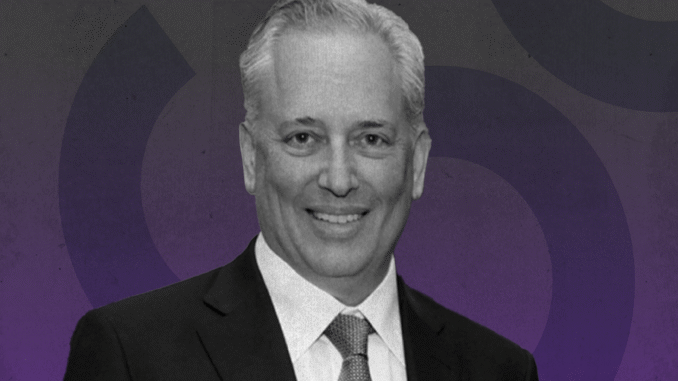
David Sacks is stepping down from his role as the White House’s AI and crypto czar, closing out a short tenure that helped reshape the U.S. government’s approach to digital assets but left several major legislative efforts unfinished.
In an interview with Bloomberg on Thursday, Sacks said that his time as a special government employee had ended after reaching the 130-day limit.
He will remain involved in the administration as co-chair of the President’s Council of Advisors on Science and Technology, where he will advise on a broader set of technology issues.
During his time in the White House, Sacks played a central role in shaping the Trump administration’s crypto agenda, including efforts to pass market structure and stablecoin legislation and support for a U.S. strategic Bitcoin reserve.
He also pushed for clearer digital asset rules and, like many within Trump’s orbit, criticized the prior regulatory approach under the Biden administration as overly reliant on enforcement.
But some of the industry’s most anticipated reforms remain incomplete.
Sacks had previously said that market structure and stablecoin legislation could pass within the administration’s first 100 days, though those efforts have been met with resistance as Congress continues to debate the CLARITY Act beyond that timeline.
One early proposal to create a permanent White House “crypto council” of industry leaders never materialized, with the administration instead opting for periodic summits and an internal digital-assets working group after industry infighting complicated the plan, according to prior Decrypt reporting.
Sacks was also involved in early discussions around the administration’s digital asset stockpile and strategic Bitcoin reserve, which were framed as part of a broader effort to position the U.S. as a global crypto hub.
So far, efforts on that front have not fully materialized either. The reserve is expected to be continuously seeded with Bitcoin seized by the U.S. government, though questions remain over whether and how additional purchases would be funded.
Before taking the role, Sacks said he sold his personal crypto holdings to avoid conflicts of interest, while continuing to advocate for a more defined regulatory framework for the industry.
Though he frequently dismissed concerns raised by Democratic lawmakers and industry participants about Trump’s links to World Liberty Financial, a DeFi firm majority-owned by the President’s sons.
Sacks’ departure leaves the administration’s crypto policy agenda still in progress, with lawmakers continuing to debate how digital assets should be regulated in the U.S., including which agencies should oversee different parts of the market and how stablecoins should be governed.
He said Thursday he will continue working on artificial intelligence policy and technology strategy through his new advisory role.
“As co-chair of PCAST, I can now make a range of recommendations on not just AI but an expanded range of technology topics,” Sacks said. “This is how I’ll be involved moving forward.”
Daily Debrief Newsletter
Start every day with the top news stories right now, plus original features, a podcast, videos and more.