In brief
Two individuals lost a total of nearly $7,000 in a new scheme that claimed they owed money for missing jury duty.
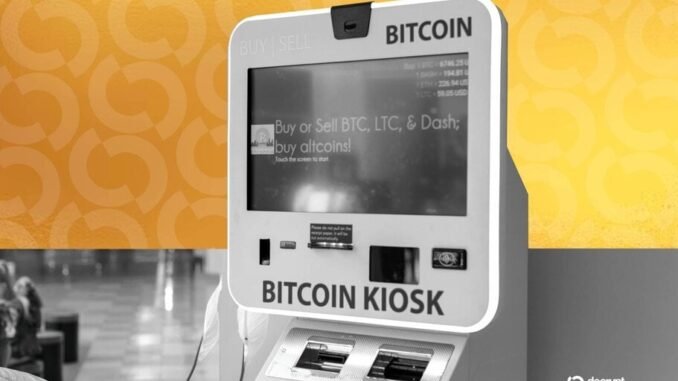
The victims were instructed to use Bitcoin ATMs or kiosks to transfer funds they believed were owed.
Scams involving Bitcoin ATMs are increasing, jumping to nearly $247 million last year according to the FBI’s Internet Crime Report.
Two Massachusetts residents lost a total of nearly $7,000 to scams involving Bitcoin ATMs, police said, due to fictitious phone calls requesting money for missed jury duty appearances.
After the Monday incidents, the Norfolk County Sheriff’s Office is now warning residents about the scheme.
“The Norfolk County Sheriff’s Office never makes calls like this, and neither do local police departments,” said Sheriff Patrick McDermott in a statement.
“Just hang up on anyone who is demanding money and acting like they are from our office, or another law enforcement agency, threatening you with arrest or detainment for things like ‘missed jury duty’ or an ‘outstanding warrant.’”
In both instances, victims were led to believe that the individual on the phone worked for the sheriff’s office and that they would be detained if they did not pay. They were then directed to send funds using Bitcoin ATM kiosks nearby.
“You may be caught off guard and unwittingly fall victim. If they call back. Hang up again and report the calls to your police department,” the Norfolk County Sheriff’s Office said in a statement.
A representative for the Norfolk County Sheriff’s Office told Decrypt it could not offer guidance on the likelihood of recovery of funds. The representative pointed to the Massachusetts Attorney General’s Office information crypto scams, which indicates that cryptocurrency transactions cannot be reversed.
Scams involving Bitcoin ATMs and kiosks have been on the rise, costing victims nearly $247 million in 2024 according to data gathered in the FBI’s Internet Crime Report.
The jump led to an urgent alert by the Treasury Department’s Financial Crimes Enforcement Network (FinCEN) in August, flagging the kiosks’ frequent use in scams, particularly against elderly individuals.
Some places are starting to crack down on the crypto machines. In June, Spokane, Washington’s City Council voted unanimously to ban virtual currency kiosks citywide. New Zealand also banned crypto ATMs earlier this year and capped international cash transfers to $5,000 to deter money laundering and criminal finance.
Regulation is also coming into play—like in Illinois, where the Digital Asset Kiosk Act was signed into law in August, creating transaction limits for new users and requiring ATM operators to refund scam victims in full.
Daily Debrief Newsletter
Start every day with the top news stories right now, plus original features, a podcast, videos and more.