
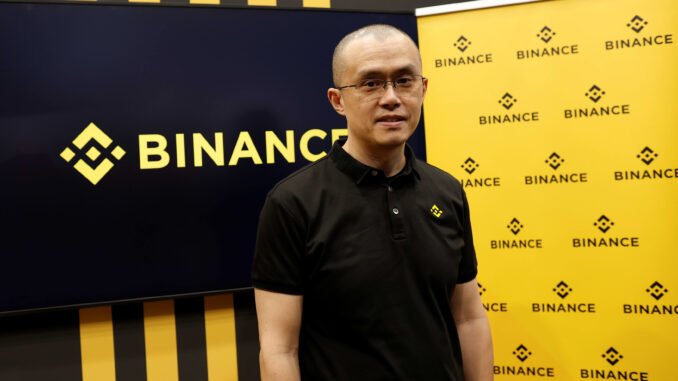

Following new Google research highlighting an accelerating quantum-computing threat to crypto, former Binance CEO Changpeng Zhao (CZ) weighed in with a pragmatic — if brisk — prescription: upgrade cryptography.
In a social media post on X (previously Twitter), the founder of the crypto exchange sought to ease concerns while acknowledging the technical and governance challenges ahead.
A Complex Task For The Crypto Industry
Google’s whitepaper, published March 30, warned that the cryptographic foundations of most major digital assets are more vulnerable to quantum attacks than previously believed, noting that 6.9 million Bitcoin (BTC) are potentially at risk today, including about 1.7 million coins thought to belong to Satoshi Nakamoto.
CZ responded to the report with a straightforward message: “All crypto has to do is upgrade to Quantum‑Resistant (Post‑Quantum) Algorithms. So, no need to panic.” He balanced that reassurance with realism, warning that implementing post‑quantum cryptography across decentralized networks is difficult.
Coordination problems, disputes over which algorithms to adopt, and the inevitable forks that may follow are likely. Some projects may never migrate, and CZ suggested that failing or dormant projects might be better off disappearing than becoming easier targets.
He also flagged practical risks that accompany any large‑scale cryptographic overhaul. New code can introduce vulnerabilities in the short term, and users who hold their own keys will need to migrate funds to upgraded wallets.
CZ raised an additional point about Satoshi’s coins. If those long‑dormant addresses move, it would strongly suggest that their owner is active; if they remain untouched for long enough, he proposed locking or effectively burning them to prevent them from becoming targets for attackers who might break old cryptography.
New Steps Against Quantum Threats
The industry has already begun to move. Ethereum (ETH), which has publicly acknowledged the quantum risk, unveiled a new resource hub dedicated to post‑quantum security on March 25.
Its co‑founder, Vitalik Buterin, previously emphasized the need for changes in how Ethereum stores data and signs transactions to remain secure against future quantum advances.
On the Bitcoin side, BTQ Technologies released Bitcoin Quantum testnet v0.3.0 on March 20, implementing the first working version of Bitcoin Improvement Proposal 360 (BIP‑360), a practical experiment in quantum‑resilient signatures.
In short, the path forward is clear in principle: adopt quantum‑resistant algorithms and migrate wallets and smart contracts to new signature schemes. In practice, the process will be messy, contested, and technically challenging.
Yet, CZ’s bottom line was optimistic: “Fundamentally: It’s always easier to encrypt than decrypt. More computing power is always good. Crypto will stay, post quantum,” the former Binance CEO said to conclude his social media post.
At the time of writing, Bitcoin was trading at around $66,833. According to CoinGecko data, this represents a 1% loss in the last 24 hours and a nearly 5% loss over the past week.
Featured image from CNBC, chart from TradingView.com

Editorial Process for bitcoinist is centered on delivering thoroughly researched, accurate, and unbiased content. We uphold strict sourcing standards, and each page undergoes diligent review by our team of top technology experts and seasoned editors. This process ensures the integrity, relevance, and value of our content for our readers.


